Taste of the Unknown: Diving into Dili’s Hidden Food Soul
You know that feeling when you stumble on a place so real, so unfiltered, that every bite tells a story? That’s Dili. Far from polished tourist trails, this quiet capital pulses with flavor—smoky grilled fish at roadside tasik stalls, earthy red rice wrapped in banana leaves, coffee so rich it wakes your soul. I went searching for East Timor’s heart, and found it in its food. This isn’t just eating—it’s exploring history, culture, and resilience, one plate at a time. In a country forged through struggle and defined by quiet strength, the kitchen becomes a living archive. Every dish carries echoes of colonial influence, ancestral wisdom, and daily perseverance. To taste Dili is to understand a people who have preserved identity through generations of change, using fire, spice, and shared meals as tools of continuity and hope.
First Impressions: Stepping into Dili’s Laid-Back Rhythm
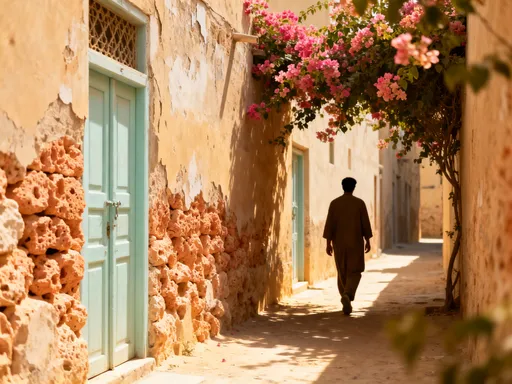
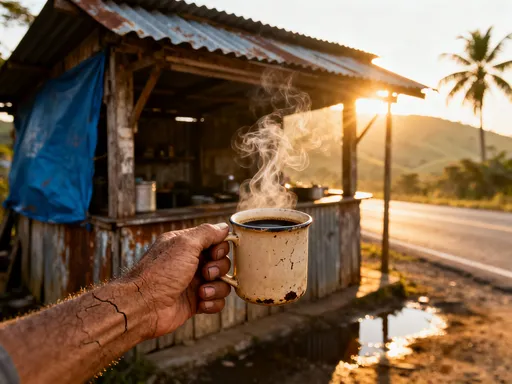
Dili unfolds like a breath held and slowly released. Nestled between the shimmering waters of the Timor Sea and the rising green of mountainous hinterlands, the city moves at a pace that feels both deliberate and unhurried. There are no roaring traffic jams or neon-lit skyscrapers—instead, life flows along tree-lined avenues, past weathered Portuguese-era buildings with peeling paint and wide verandas, where bougainvillea spills over rust-colored rooftops. The air carries salt, woodsmoke, and the faint sweetness of ripening mangoes. Mornings begin gently, with locals walking barefoot to the waterfront promenade, children in crisp school uniforms, and elders sipping thick black coffee from chipped ceramic cups at open-air stands.
What strikes most is the absence of pretense. Unlike other Southeast Asian capitals where tourism has reshaped entire districts, Dili remains largely untouched by commercial development. There are no chain restaurants or glossy shopping malls. Instead, small shops sell handwoven textiles, radios tuned to Tetum-language broadcasts, and baskets of freshly caught fish laid out on banana leaves. This authenticity invites travelers to slow down, to observe, and to listen. A simple smile exchanged with a vendor or a shared moment over a steaming cup of kafe Timor becomes a quiet gateway into daily life. For those seeking connection over convenience, Dili offers a rare kind of intimacy—a city that doesn’t perform for visitors but simply lives, openly and honestly.
The city’s compact size enhances this sense of accessibility. Most of central Dili can be explored on foot or by bicycle, allowing travelers to wander without rush. A morning walk along the beachfront path reveals fishermen mending nets, families gathering for prayer, and the occasional group of teenagers laughing under coconut palms. The rhythm here is shaped more by tides and sunlight than by schedules and alarms. It’s a place where time feels elastic, where a meal might stretch into hours, and where conversations unfold naturally, without urgency. This unhurried atmosphere isn’t a lack of progress—it’s a reflection of values rooted in community, presence, and resilience.
A Culinary Crossroads: The Historical Roots of Timorese Cuisine
To understand the flavors of Dili, one must first understand the layers of history simmering beneath them. Timor-Leste’s cuisine is not a single recipe but a living mosaic—shaped by centuries of trade, colonization, isolation, and cultural endurance. As a small island nation positioned at the edge of the Indonesian archipelago and historically linked to Portugal, East Timor absorbed culinary influences from both worlds, yet never lost its indigenous core. The result is a cuisine that is both familiar and deeply unique, where Portuguese-style stews meet smoky village grills and ancient farming traditions.
Portuguese colonization, which lasted over four centuries, left a lasting imprint on the island’s pantry. Ingredients like olive oil, garlic, onions, chorizo, and hard bread remain common in many households. You’ll find estufado, a slow-cooked meat stew reminiscent of Portuguese cozido, served with cassava or sweet potato instead of potatoes. Baked goods such as pao (bread) and bolo (cake) are often made in wood-fired ovens, a technique passed down through generations. Yet these European elements have been fully absorbed into local life—they are no longer foreign imports but integrated expressions of Timorese identity.
At the same time, proximity to Indonesia has introduced bold flavors and cooking styles. Sambal, a fiery chili paste made with shrimp paste, lime, and garlic, is a staple condiment found on nearly every table. Grilled meats and fish, often marinated in turmeric and lemongrass, echo techniques seen across the archipelago. However, Timorese cooks adapt these influences with local ingredients and rhythms. Where Indonesian cuisine might emphasize complexity and layered spice, Timorese cooking often values simplicity, freshness, and the natural taste of ingredients.
Beneath these external influences lies the foundation of indigenous food culture—rooted in subsistence farming, fishing, and seasonal cycles. Staples like maize, cassava, taro, and red rice have sustained communities for generations. These crops are not only dietary cornerstones but also cultural symbols, often used in ceremonies and rituals. In rural areas, families still harvest rice by hand, pound maize into flour using wooden mortars, and preserve fish through sun-drying. Food is not separated from life; it is woven into the fabric of survival, celebration, and memory.
Communal eating remains central to Timorese social life. Meals are often shared from a single platter, eaten with hands or wooden spoons. This practice reflects values of unity and generosity—no one eats alone if others are present. Even in times of scarcity, food is offered freely to guests, a gesture of deep respect. In a country that endured decades of hardship, the act of sharing a meal carries profound meaning: it is an affirmation of dignity, hospitality, and hope.
Street Eats & Local Eateries: Where Flavor Lives
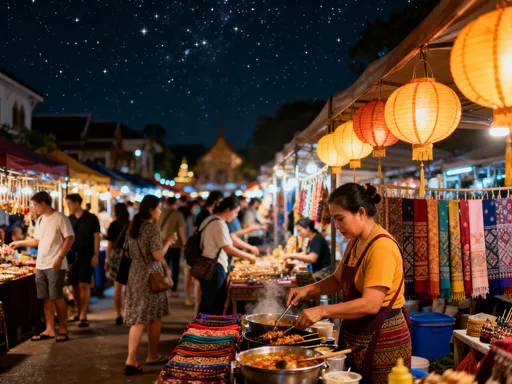
If Dili has a soul, it breathes most vividly in its street food. Away from polished dining rooms and tourist menus, the true essence of Timorese cuisine reveals itself in humble roadside stalls, plastic chairs, and open-air grills. These unassuming spots—often called tasiks or warungs—are where locals gather for breakfast, lunch, and late-night snacks. Here, food is cooked fresh, served hot, and priced within reach of everyday families. To eat at these stalls is not just to taste authentic flavors but to participate in the rhythm of daily life.
One of the most beloved street foods is ikan bakar, or grilled fish. Fresh tuna, mackerel, or snapper are marinated in a paste of turmeric, garlic, and chili, then wrapped in banana leaves and grilled over glowing coconut husks. The smoky aroma draws people in from blocks away. Served with a side of sambal and a handful of red rice, this dish captures the essence of coastal Timor—simple, bold, and deeply satisfying. Vendors often stand barefoot behind their grills, flipping fish with practiced ease, their faces lit by the flickering flames.
For breakfast, many locals reach for bicuko, a soft, steamed cake made from grated coconut, rice flour, and palm sugar, wrapped in pandan leaves. The green leaves infuse the cake with a subtle floral aroma, while the coconut gives it a rich, moist texture. Sold in bundles from woven baskets, bicuko is often paired with a strong cup of coffee or warm coconut water. Another popular morning choice is kapurung, a dense porridge made from sago palm starch, served with fish broth and shredded vegetables. Though less known to outsiders, it’s a nourishing staple in many households.
Dining at these informal spots requires a shift in expectations. Tables may be wobbly, utensils reused, and napkins absent. Yet cleanliness is generally respected—vendors wash their hands, cover food when not serving, and use fresh ingredients daily. Travelers are advised to choose stalls with high turnover, where food is cooked to order and served immediately. Avoid anything left out in the sun or handled repeatedly. When in doubt, follow the locals: if a stall is busy with Timorese families, it’s likely safe and delicious.
Engaging respectfully with vendors enhances the experience. A simple “Boa tarde” (good afternoon) or “Obrigadu” (thank you) in Portuguese or Tetum goes a long way. Many sellers are women managing small businesses to support their families. A few extra coins for a second cup of coffee might earn a warm smile or an invitation to try something new. These interactions, fleeting as they may be, form the invisible threads of connection that make travel meaningful.
Market Journeys: Inside Dili’s Beating Food Hubs
No journey into Dili’s food culture is complete without a visit to Mercado Municipal, the city’s largest and most vibrant market. Located near the waterfront, this bustling hub pulses with life from early morning until mid-afternoon. Under corrugated tin roofs and blue tarpaulin shelters, hundreds of vendors display their wares on woven mats, wooden crates, and plastic sheets. The air hums with conversation in Tetum, Portuguese, and Indonesian, punctuated by the rhythmic thud of cleavers chopping fish and the sizzle of oil in roadside pans.
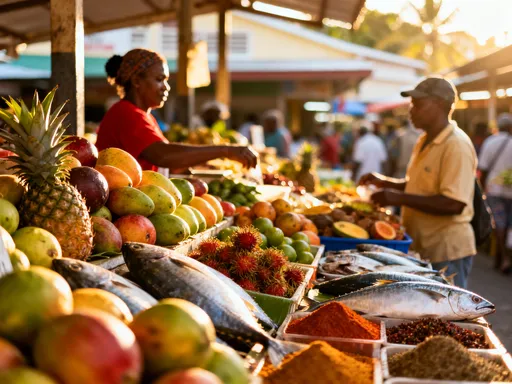
The sensory experience is overwhelming in the best way. Bright orange mangoes, spiky rambutans, and clusters of green bananas hang from strings like ornaments. Piles of taro, yams, and sweet potatoes sit beside baskets of red and white corn—each variety grown in different regions of the country. Fishmongers lay out glistening tuna, mackerel, and barracuda on beds of ice, their scales catching the light. Nearby, women grind spices by hand using stone mortars, releasing clouds of cumin, coriander, and turmeric into the air. The scent of ripe papaya mingles with woodsmoke and the sharp tang of fermenting shrimp paste.
Mercado Municipal is more than a place to buy food—it’s a social center, an economic engine, and a living classroom. Here, grandmothers teach grandchildren how to select ripe fruit, farmers negotiate prices with restaurant owners, and tourists learn the names of unfamiliar vegetables. The market operates on seasonal rhythms: jackfruit appears in late summer, mangoes peak in spring, and certain fish are only available during monsoon months. This seasonality reflects a deep connection to the land and sea, a rhythm often lost in industrialized food systems.
For visitors, navigating the market requires patience and respect. Bargaining is not expected at fixed-price stalls, but polite haggling is common in informal sections. It’s best to observe first—watch how locals interact, how they point to goods, how they count out coins. Carrying small bills is helpful, as change can be scarce. Bringing a reusable bag supports sustainability, as plastic bags are still widely used but increasingly discouraged.
Photography should be approached with care. While some vendors welcome pictures, others may feel uncomfortable. Always ask with a gesture or a smile before raising your phone. A small purchase—even a single mango—shows goodwill and often leads to a friendly exchange. These moments of connection transform a simple transaction into a shared human experience.
From Farm to Table: Rural Food Traditions Beyond the City
Just beyond Dili’s outskirts, the landscape shifts from urban sprawl to terraced hills, dry savannas, and coastal villages where time moves differently. Here, food is not bought—it is grown, gathered, and shared. Smallholder farming remains the backbone of rural life, with families cultivating maize, beans, cassava, and vegetables using traditional, chemical-free methods. These farms are not large-scale operations but family plots passed down through generations, worked by hand with simple tools. Crop rotation, intercropping, and natural composting are practiced intuitively, preserving soil health without formal training.
In the highlands, farmers plant red rice in narrow terraces carved into steep slopes. This nutrient-rich grain, darker and more aromatic than white rice, is a point of pride and a staple at family meals. Harvesting is done by hand, with sickles and woven baskets, and threshing often involves beating the stalks against wooden racks. The process is labor-intensive but deeply communal—neighbors gather to help during peak seasons, strengthening bonds through shared work.
Along the coast, fishing remains a daily ritual. Men and boys head out before dawn in wooden canoes, using handlines and small nets to catch reef fish, squid, and octopus. Unlike industrial trawling, this method is sustainable, targeting only what is needed for the day. Women often process the catch—cleaning, drying, or smoking fish to preserve it for future meals. In some villages, fish is traded for rice or vegetables with inland communities, maintaining ancient exchange networks.
Visiting a rural kitchen offers a rare glimpse into home cooking rarely seen by outsiders. Meals are prepared over open fires fueled by dried wood or coconut husks. A typical dish might include grilled fish, boiled cassava, a vegetable stew made with pumpkin leaves and peanuts, and a side of sambal. Water is drawn from wells, and cooking pots are scrubbed with sand. There is no refrigeration, no microwave, no electric stove—yet the food is flavorful, balanced, and deeply nourishing.
These traditions are not relics of the past but living practices that sustain families and communities. In a young nation still rebuilding its infrastructure, food sovereignty is a matter of survival. Supporting rural food systems—through fair trade, eco-tourism, or direct purchases—helps preserve these traditions while improving livelihoods. Travelers who venture beyond the city limits often leave with more than memories; they gain a deeper appreciation for resilience, simplicity, and the quiet dignity of self-reliance.
Coffee Culture: Sipping Timor’s Liquid Gold
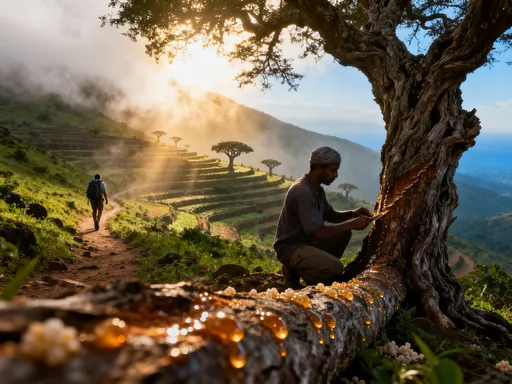
Timor-Leste may be one of the world’s youngest nations, but its coffee heritage runs deep. Nestled in the highlands of Aileu, Ermera, and Manatuto, small farms produce some of the finest organic Arabica beans in the world. Grown under shade trees at elevations over 1,500 meters, these beans develop a complex flavor profile—bright acidity, notes of citrus and chocolate, and a smooth finish. Unlike mass-produced coffee, Timorese beans are hand-harvested, sun-dried, and often processed using traditional wet-hulling methods that enhance body and depth.
What makes Timor’s coffee even more remarkable is its origin. The island’s coffee plants are largely heirloom varieties, descendants of 18th-century Portuguese imports that evolved in isolation. Free from major disease outbreaks, these plants require little chemical intervention, making Timor a natural leader in organic coffee production. Today, over 50,000 smallholder farmers depend on coffee for their livelihoods, many organized into cooperatives that ensure fair pricing and sustainable practices.
Yet for all its global potential, coffee in Timor-Leste is first and foremost a daily ritual. Locals drink it strong, black, and sweet—simmered in small pots with sugar and sometimes a pinch of cinnamon. It’s served in tiny cups at roadside stands, in homes during visits, and at community meetings. Sharing coffee is an act of hospitality, a way to welcome guests and build trust. The brewing process itself is slow and deliberate, reflecting the broader pace of life.
Travelers can engage with this culture in meaningful ways. Visiting certified cooperatives such as the Café Brulé Association or the Solidaridade Timor Cooperative offers insight into ethical farming and processing. Some farms welcome visitors for guided tours, where you can pick cherries, watch depulping machines in action, and taste beans at different stages of roast. These experiences support local economies directly and foster appreciation for the labor behind every cup.
Bringing home a bag of Timorese coffee is more than a souvenir—it’s a way to continue the connection. Each sip recalls the highland air, the warmth of a shared moment, and the quiet strength of a nation rebuilding one bean at a time. In a world of instant consumption, Timor’s coffee reminds us that true quality cannot be rushed.
Eating with Purpose: Supporting Local Through Mindful Choices
Every meal in Dili is a choice—one that can either reinforce inequality or strengthen community. As travelers, we hold power in our plates. Opting for family-run tasiks over imported fast food, buying fruit from market vendors instead of supermarkets, and respecting local customs are small acts with lasting impact. Sustainable food tourism isn’t about perfection; it’s about awareness and intention. It means recognizing that a $2 meal supports a mother’s livelihood, that a shared smile over coffee builds bridges, and that every purchase contributes to a larger story of resilience.
One of the simplest ways to eat ethically is to prioritize local ingredients. Dili’s markets overflow with seasonal produce, fresh fish, and handmade goods. Choosing these over imported luxuries—like packaged snacks or bottled drinks—keeps money within the community and reduces environmental strain. It also leads to more authentic experiences: a ripe mango from a roadside stall tastes infinitely better than a canned version from a convenience store.
Waste reduction is another crucial consideration. Plastic pollution is a growing concern in Timor-Leste, where waste management systems are still developing. Carrying a reusable water bottle, saying no to plastic bags, and avoiding single-use containers help minimize harm. Some cafes now offer discounts for bringing your own cup—a small incentive with big implications.
Equally important is cultural respect. Food is deeply personal, tied to identity, memory, and tradition. Avoid treating local cuisine as a novelty or photo opportunity. Ask before taking pictures, accept food with gratitude, and never mock unfamiliar dishes. When invited into a home, even briefly, follow local customs—remove shoes if asked, accept offerings politely, and express thanks sincerely.
Ultimately, eating in Dili is not just about nourishment—it’s about connection. It’s about sitting on a plastic stool, sharing a meal with strangers, and realizing that flavor transcends language. It’s about understanding that a nation’s strength is measured not by its monuments but by the warmth of its kitchens, the richness of its soil, and the generosity of its people. When we eat with purpose, we don’t just feed our bodies—we honor stories, support lives, and become part of something greater than ourselves.