Hiking Through Salalah’s Hidden Trails and Taste of the Wild
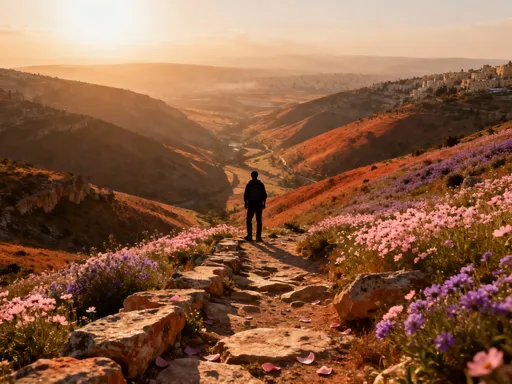
Have you ever tasted frankincense? In Salalah, Oman, hiking isn’t just about breathtaking views—it’s a journey through ancient valleys where the air smells of wild herbs and every trail leads to something unique. I trekked through misty mountains, discovered local harvesters collecting frankincense resin, and savored dhofari coffee brewed over open fire. This is nature, culture, and flavor intertwined in one unforgettable adventure. Far from the scorching deserts often associated with the Arabian Peninsula, Salalah blooms during the Khareef season, transforming into a green highland where cool breezes sweep across grassy plateaus and mountain mists linger like whispered secrets. Here, every footstep reveals a new layer of Oman’s natural beauty and cultural depth, making it one of the most rewarding destinations for travelers seeking authenticity, tranquility, and connection.
Why Salalah Stands Out for Hiking Enthusiasts
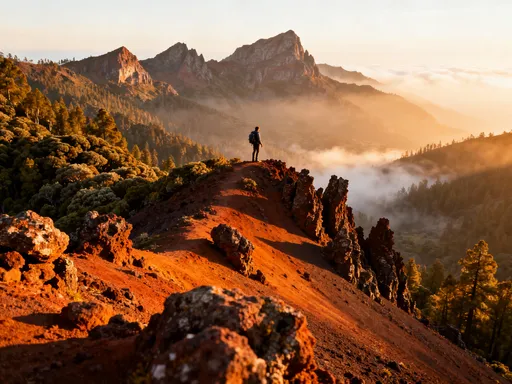
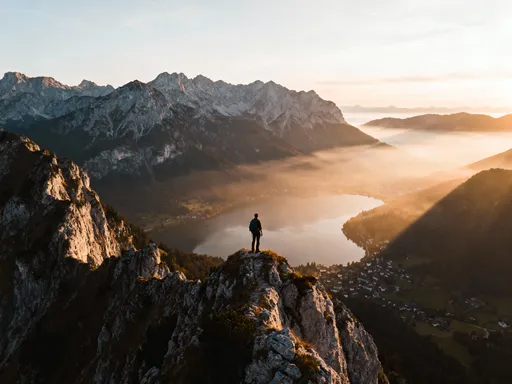
Salalah is not just the capital of Oman’s Dhofar region—it is a seasonal miracle. Between June and September, the Khareef monsoon breathes life into the land, cloaking the usually arid mountains in lush greenery and filling dry riverbeds with streams and waterfalls. This rare climatic phenomenon creates a unique hiking environment unlike any other in the Gulf. While much of the Arabian Peninsula endures extreme heat, Salalah enjoys mild temperatures, often ranging between 20°C and 28°C (68°F–82°F), making it ideal for outdoor exploration. The Dhofar Mountains rise gently from the coastal plain, offering a mosaic of landscapes: fog-draped escarpments, terraced wadis, grassy highlands, and dramatic sea cliffs that plunge into the Arabian Sea.
What truly sets Salalah apart is its ecological richness. The region lies at the crossroads of African and Asian biogeographical zones, fostering a surprising diversity of plant and animal life. Endemic species such as the Arabian tahr and the wild Boswellia sacra tree thrive in these highlands. Birdwatchers may spot the Yemen warbler or the Arabian wheatear flitting through the shrublands. Hiking here is not merely a physical activity; it is an immersion in a living ecosystem where nature unfolds in layers. From the soft rustle of desert palms to the sudden burst of wildflowers after a morning shower, every detail contributes to an experience that feels both ancient and alive.
For hikers, the terrain offers something for every level of experience. Beginners can enjoy gentle walks through Wadi Darbat, where turquoise pools reflect the surrounding cliffs and small waterfalls cascade into natural swimming holes. Intermediate trekkers might challenge themselves on the trails leading up Jabal Qara or through the lesser-known Wadi Ayn, where rocky paths wind through narrow canyons and ancient irrigation channels known as aflaj still feed small farms. Unlike mass-touristed destinations, Salalah remains refreshingly untouched. There are no cable cars, no crowded viewpoints—just raw, unfiltered nature and the quiet rhythm of rural life.
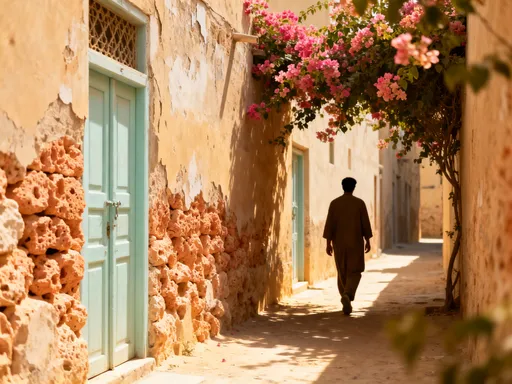
The cultural landscape is just as compelling. As you hike, you’ll pass small villages where stone-and-mud homes blend into the hillsides, and farmers tend date palms and qanbus fields using traditional methods passed down for centuries. Children wave from donkey carts, and elders sit under shaded verandas sipping gahwa, the fragrant Omani coffee. This coexistence of nature and tradition is what makes Salalah more than just a hiking destination—it is a window into a way of life that remains deeply connected to the land and its cycles.
Top Hiking Routes That Lead to Authentic Experiences
One of the most rewarding hikes begins in the historic village of Taqah, known for its restored 19th-century fort and traditional fishing harbor. From here, a well-marked trail ascends the coastal escarpment, offering panoramic views of the turquoise waters below. As you climb, the landscape shifts—terraced fields give way to rocky outcrops dotted with wild oregano and thyme. Goats graze freely, their bells tinkling in the breeze, and the scent of sun-warmed herbs rises with each step. Halfway up, a natural overlook provides a perfect spot to rest and take in the vastness of the Arabian Sea stretching to the horizon.
What makes this hike special is not just the scenery, but the encounters along the way. Local farmers often pause their work to greet hikers with warm smiles and simple hospitality. Some may offer a cup of fresh camel milk or a handful of dates harvested from nearby groves. These moments of connection are not staged for tourists—they are genuine expressions of Omani generosity, known as diwaniya, a cultural tradition of welcoming guests into one’s space. For many visitors, these spontaneous interactions become the most memorable part of the journey.
Another must-walk trail leads from Mughsail, famous for its blowholes that spray seawater into the air during high tide, toward the hidden springs of Ain Athum. The path follows a dry wadi before descending into a shaded valley where freshwater bubbles up from the ground. Families from nearby towns often gather here on weekends, spreading rugs under acacia trees and sharing meals of grilled fish and flatbread. The springs remain cool even in the warmest parts of the day, making them a refreshing reward after the hike. Children splash in the shallow pools, and the sound of laughter mingles with the rustle of leaves—a scene of peaceful domesticity nestled in the wild.
For those seeking solitude and a touch of mystery, the trails near Rakhyut offer a quieter alternative. This coastal village is home to ancient stone structures—low, circular dwellings built from coral and limestone—believed to date back centuries, possibly even to pre-Islamic times. Little is known about their original inhabitants, but local legends speak of seafarers and hermits who once lived in harmony with the rugged coastline. Hiking through this area feels like stepping into a forgotten chapter of history. The silence is profound, broken only by the cry of gulls and the distant crash of waves. These less-traveled paths invite reflection, offering space to slow down and absorb the timeless beauty of the landscape.
The Frankincense Trail: Where Nature Meets Heritage
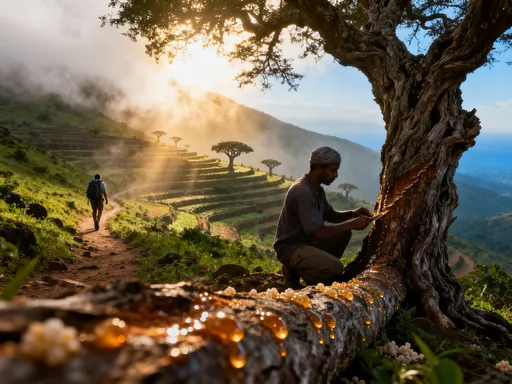
No visit to Salalah is complete without walking the Frankincense Trail, a network of ancient paths that once carried one of the world’s most valuable commodities from the interior to the coast. This UNESCO-listed cultural landscape centers on Wadi Dawkah, a dry valley dotted with Boswellia sacra trees, the source of high-quality frankincense resin. These gnarled, pale-barked trees cling to rocky slopes, their branches twisted by wind and time. To the untrained eye, they may seem unremarkable—but to the harvesters who have worked these lands for generations, they are treasures.
During the harvesting season, which typically runs from late June to early September, local men make small, precise cuts into the tree bark, allowing the sap to seep out and harden into golden or amber-colored tears. This process, known as tapping, is done with care to avoid damaging the tree. A single tree may yield only a few hundred grams of resin per season, underscoring the labor-intensive nature of this ancient practice. The scent that fills the air is distinctive—citrusy, slightly sweet, with a deep woody base—immediately transporting visitors to a time when frankincense was worth its weight in gold.
Guided hikes through the Wadi Dawkah often include a visit to a working frankincense grove, where visitors can observe the harvesting process and even try it under supervision. Many guides are former harvesters themselves, eager to share stories of their ancestors who walked these same trails. Some recount how caravans once carried the resin to ports like Khor Rori, where it was loaded onto ships bound for Egypt, Rome, and beyond. These narratives transform the hike from a simple nature walk into a living history lesson, connecting the past to the present in a deeply personal way.
The cultural significance of frankincense extends beyond trade. In Oman, it is still used in daily life—burned in homes to purify the air, offered as a gesture of welcome, and included in traditional healing practices. Some elders believe its smoke strengthens the mind and wards off illness. By participating in the harvest—even in a small way—visitors gain a deeper appreciation for this sacred resin and the people who have protected its legacy for centuries. It is not merely a product; it is a symbol of resilience, tradition, and the enduring relationship between humans and nature.
Local Specialty Products You Can Only Find on the Trail
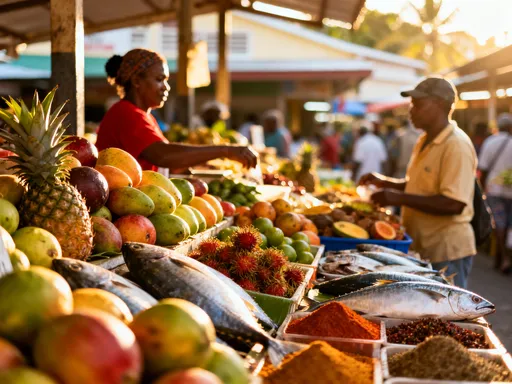
Hiking in Salalah is as much a culinary journey as it is a physical one. Along the trails, small communities offer access to regional specialties that cannot be found in supermarkets or tourist shops. In mountain-side hamlets, women prepare hilbah, a thick fenugreek paste that is slow-cooked for hours and used as a base for soups and stews. Its slightly bitter, nutty flavor is an acquired taste for some, but locals prize it for its digestive benefits and warming properties, especially during the cooler Khareef mornings.
Another prized product is wild thyme honey, harvested by beekeepers who place their hives in remote valleys where bees feed exclusively on native flora. This honey has a deep amber color and a complex flavor—floral, herbal, with a hint of spice. It is often sold in hand-labeled jars at roadside stalls or weekly souqs, where farmers bring their freshest produce. Some vendors offer samples on small pieces of traditional bread, allowing travelers to taste the difference that terroir makes.
One of the more unique finds is dhowi butter, a rich, smoky ghee made by slowly churning and heating cream over an open fire. The process imparts a distinct aroma and deep golden hue, making it a prized ingredient in local breads and rice dishes. Unlike commercial butter, dhowi is preserved naturally and can last for months without refrigeration—a necessity in areas with limited access to modern storage. Travelers who bring a jar home often find it elevates even simple meals with its depth of flavor.
Dried apricots, cured in the desert sun and packed with natural sweetness, are another trail-side treasure. Unlike their sulfured counterparts found in global markets, these are sun-dried without additives, giving them a deep, chewy texture and intense flavor. They are often sold in woven palm-leaf baskets, a nod to traditional packaging methods. Similarly, fresh moringa leaves—known locally as sajan—are harvested from wild trees and sold in bundles at village markets. Rich in vitamins and antioxidants, they are used in soups, curries, and teas, and are considered a natural energizer.
These products are not crafted for tourists. They are part of daily life, made using techniques passed down through generations. Purchasing them directly from producers ensures that income stays within the community and supports sustainable livelihoods. More than souvenirs, they are edible stories—tangible reminders of the land, the people, and the seasons that shape life in Salalah.
How to Prepare for a Hiking Adventure in Salalah
While Salalah’s climate is milder than the rest of Oman, proper preparation is essential for a safe and enjoyable hiking experience. The Khareef season brings frequent fog and occasional rain, which can make trails slippery, especially on rocky or clay-rich surfaces. Lightweight, moisture-wicking layers are ideal—mornings are often cool and misty, but temperatures can rise quickly by midday. A light rain jacket or windbreaker is recommended, even for short hikes.
Footwear is critical. Sturdy trail shoes with good ankle support and grip are necessary, particularly when navigating uneven terrain or crossing stream beds. Flip-flops or urban sneakers are not suitable and can increase the risk of injury. Trekking poles may be helpful on steep ascents or descents, especially for older hikers or those with joint sensitivities.
Hydration is another key consideration. Although the weather is cooler, the dry air and physical exertion can lead to dehydration. It is advisable to carry at least two liters of water per person, even on hikes lasting only a few hours. Natural water sources, while tempting, should not be consumed without proper filtration or boiling, as they may contain bacteria or parasites. Portable water purifiers or purification tablets are useful additions to any hiking kit.
Perhaps the most valuable preparation is hiring a local guide. While some trails are well-marked, others are informal paths known only to residents. A knowledgeable guide can lead you to hidden springs, identify edible and medicinal plants, and share stories about the land that enrich the experience. Many guides are affiliated with community-based tourism initiatives, ensuring that your visit supports local families directly.
Respect for local customs is equally important. Dress modestly—long sleeves and pants are appropriate for both men and women. When passing through villages, avoid loud noises or intrusive photography. Always ask permission before taking photos of people, homes, or private land. These small gestures go a long way in building trust and showing appreciation for the culture you are visiting.
Sustainable Trekking: Protecting Salalah’s Natural Treasures
As eco-tourism grows in popularity, the need for responsible hiking practices becomes more urgent. Salalah’s ecosystems are fragile, shaped by centuries of balance between human activity and nature. Even small disruptions—such as littering, straying from marked trails, or disturbing wildlife—can have lasting impacts. The “leave no trace” principle is not just a suggestion; it is a responsibility.
Visitors should carry out all trash, including biodegradable items like fruit peels or nut shells, which decompose slowly in arid environments and can attract pests. Plastic waste is particularly harmful, as it does not break down and can endanger animals that mistake it for food. Using reusable water bottles, food containers, and cloth bags helps minimize environmental impact.
Staying on designated trails protects native flora, including the slow-growing Boswellia sacra trees and rare orchids that bloom briefly during the Khareef season. Off-trail exploration may seem harmless, but it can erode soil, damage root systems, and disrupt nesting sites. In some areas, conservation groups have installed informational signs to educate hikers about sensitive zones and the importance of preservation.
Supporting community-based tourism is another way to contribute to sustainability. Choosing family-run homestays over large resorts ensures that tourism income benefits local households. Purchasing goods from village cooperatives or farmer-run stalls helps sustain traditional livelihoods and reduces reliance on imported products. Some guided tours now include educational components on environmental conservation, teaching visitors how to hike responsibly while learning about the region’s ecology.
Ultimately, sustainable trekking is about mindfulness—being aware of your impact and making choices that honor the land and its people. Every hiker has the power to protect Salalah’s magic, ensuring that future generations can experience its misty cliffs, fragrant trails, and warm hospitality just as we do today.
Why This Journey Stays With You Long After the Hike Ends
Hiking in Salalah is not just an escape—it is a transformation. The experience lingers in the senses: the cool mist on your skin as you crest a hill, the earthy aroma of wet soil after a brief shower, the taste of warm bread dipped in thyme honey shared with a stranger who feels like a friend. These moments accumulate into a deeper awareness of place and presence. In a world dominated by speed and screens, Salalah offers a rare invitation to slow down, breathe deeply, and reconnect.
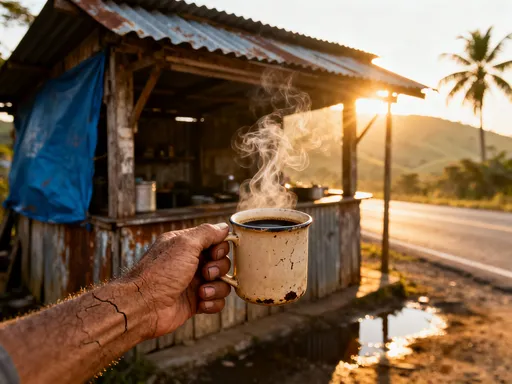
More than adventure, it is connection. Connection to nature, in its unspoiled form. Connection to history, through the ancient frankincense trails and stone ruins that whisper of forgotten times. Connection to people, whose lives unfold in harmony with the seasons and whose hospitality feels genuine, not performative. You return home not just with photographs, but with stories—of a sunrise over Wadi Darbat, of a shared cup of coffee with a herder, of the quiet pride in a harvester’s voice as he explains the art of tapping resin.
These memories become part of you. They surface in quiet moments—when you light a piece of frankincense at home and the scent carries you back to the mountains, or when you spread wild thyme honey on your toast and remember the beekeeper who showed you his hives. Salalah does not offer curated experiences; it offers real ones—raw, authentic, and deeply human. It reminds us that the most meaningful journeys are not measured in miles, but in moments of wonder, respect, and belonging.
For the 30- to 55-year-old traveler—often balancing family, work, and personal well-being—Salalah represents a rare opportunity to step outside routine and into a world where time moves differently. It is not about thrill-seeking or ticking off landmarks. It is about restoration. It is about walking through a green mist, breathing in the scent of wild herbs, and remembering what it feels like to be fully alive. In that sense, the trail does not end when you leave Salalah. It continues within you, guiding you back to what matters most.