What If Your Workout App Could Keep Up with Your Life—No Matter Where You Are?
We’ve all been there: excited to start a new fitness routine, only to let it slip when life gets messy. Maybe you travel often, or your schedule shifts weekly. Sticking to exercise feels hard—not because you lack willpower, but because most apps assume a perfect, predictable life. What if your workout tracker understood your reality? One that adapts as easily as you do—whether you're in a hotel room, a busy park, or your living room at midnight? Imagine an app that doesn’t scold you for missing a 6 a.m. session because your kid was sick, but instead says, “I see you. Let’s try something quieter, gentler, right now.” That’s not science fiction. It’s the future of fitness tech—and it’s already here.
The Myth of the Perfect Routine
Let’s be honest: the idea that you need to work out at the same time, in the same place, every single day just doesn’t hold up when you’re juggling school drop-offs, work deadlines, or weekend trips to visit family. We’ve been sold this image of fitness success as something rigid—a morning jog no matter the weather, a strict meal plan, a gym membership you use five days a week. But real life isn’t like that. It’s unpredictable. And when our routines break, most fitness apps treat it like failure. Miss a workout? The streak counter resets. No green checkmarks. Just guilt.
I remember trying to stick with a popular app during a hectic month. I was traveling for my sister’s wedding, then helping my mom recover from surgery. My schedule was a mess. But every time I opened the app, it greeted me with yesterday’s missed workout in red and a cheerful “You’ve got this!” that felt more like a jab than encouragement. It didn’t ask how I was doing. It didn’t care that I’d spent the day on my feet or that I was emotionally drained. It just wanted its daily check-in. And that’s the problem. Most apps are built for an ideal life—one with consistent sleep, quiet mornings, and uninterrupted gym time. But that’s not your life. And it’s not mine either.
The truth is, falling off track isn’t a personal failing. It’s a design flaw. When technology doesn’t account for the chaos of daily life, it sets us up to feel like we’re the ones who failed—when really, the tool just wasn’t made for us. And that emotional toll? It’s real. It chips away at motivation. It makes us feel like giving up. But what if fitness tech could stop pretending we all live the same life and start supporting the one we actually have?
How Today’s Apps Lock You Into One Environment
Think about the last workout app you tried. Chances are, it assumed you had access to dumbbells, a yoga mat, or at least a quiet space where you could follow along without disturbing anyone. Many apps offer the same set of routines—bodyweight circuits, HIIT sessions, or guided strength training—regardless of where you are or what your day looks like. They don’t adjust if you’re in a tiny hotel room, staying in a house full of relatives, or trying to squeeze in movement between conference calls.
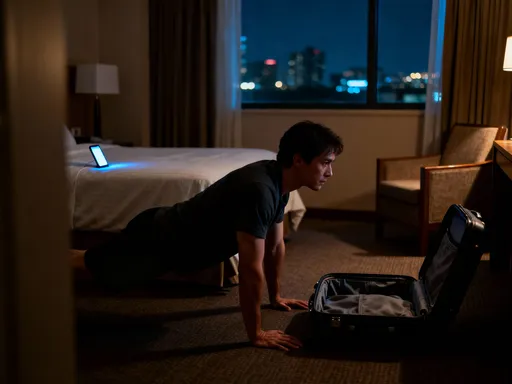
I had a friend—let’s call her Maria—who loves her fitness app at home. She uses it every morning before the kids wake up. But last winter, she went on a business trip to Chicago. Her hotel room was small, the gym was closed due to maintenance, and she didn’t feel comfortable doing jumping jacks at midnight in her pajamas. She opened her app anyway, hoping for something doable. Instead, it cycled through the same high-energy routines, complete with loud music and fast-paced cues. There was no option for “quiet,” “no equipment,” or “limited space.” So she closed it. And didn’t open it again for two weeks.
This isn’t just about convenience. It’s about respect. When an app ignores your environment, it’s ignoring your reality. It’s asking you to force your life into its mold, instead of meeting you where you are. And that’s exhausting. We don’t need more pressure. We need support that moves with us—whether we’re in our living room, a rental cabin, or a friend’s guest bedroom. The good news? Technology is finally catching up to that need.
The Rise of Environment-Aware Fitness Technology
Imagine an app that knows you’re in a hotel. Not because you told it—but because your phone’s location data shows you’re in a new city, your calendar says “business trip,” and your movement patterns suggest you’ve been walking through an airport. Instead of pushing yesterday’s missed HIIT workout, it suggests a 15-minute floor-based routine—quiet, no equipment, perfect for a small room. Or picture this: it’s 10 p.m., you’re exhausted, and you open the app hoping for something calming. It detects the time, your heart rate from your wearable, and the low light in the room—and instantly offers a gentle stretching sequence with soft voice guidance.
This isn’t magic. It’s smart tech designed with empathy. Newer fitness apps are starting to use environmental awareness to tailor workouts in real time. They pull data from your phone’s sensors—like GPS, microphone (with permission), motion detection, and even ambient noise levels—to understand your current situation. Is it loud outside? Maybe a quiet indoor session is better. Are you near a park? The app might suggest a walking workout with nature sounds. Did you skip workouts all week? Instead of nagging, it might offer a five-minute “reset” session to help you re-engage without shame.
One of the most powerful features is context switching. These apps don’t just track what you do—they respond to what’s happening around you. If you’re traveling, they shift to travel-friendly routines. If it’s a busy day, they suggest micro-workouts—three 10-minute sessions instead of one 30-minute block. If you’ve been sedentary for hours, they might nudge you with a “Move now” alert and a two-minute stretch. It’s like having a personal trainer who actually pays attention—not just to your goals, but to your life.
And here’s the best part: you don’t need special equipment. Your smartphone already has everything—accelerometer, GPS, microphone, camera (for form feedback, if you allow it). The technology is there. It’s just being used more thoughtfully now. Instead of treating every user the same, these apps are learning to adapt. They’re not perfect yet, but they’re moving in the right direction—toward flexibility, kindness, and real-world usability.
Real Stories: When the App Knew Better Than You Did
Sarah, a school administrator from Austin, shared a story that stuck with me. She was at the airport, stuck in a three-hour layover. She’d been stressed all week—parent-teacher conferences, a sick child, a flooded basement. She opened her fitness app out of habit, expecting another reminder about her missed workouts. Instead, it said: “Long wait? Try a seated mobility routine.” It detected she was in a transit hub, likely sitting, and offered a series of gentle seated stretches—neck rolls, shoulder releases, ankle circles—all doable without standing up. She did it right in her seat. “It felt like someone finally got it,” she said. “Like the app wasn’t judging me. It was helping me.”
Then there’s James, a nurse who works 12-hour shifts. During a particularly grueling week, he was on his feet for 60 hours. His app noticed he hadn’t logged any workouts. But instead of sending a guilt-trip notification, it said: “You’ve been moving all day. How about a recovery session?” It suggested a 10-minute guided cooldown—slow breathing, light stretching, and a short meditation. He tried it that night. “I fell asleep halfway through,” he laughed. “But I woke up feeling lighter. Like my body could finally relax.”
These stories aren’t about extreme fitness gains. They’re about emotional relief. They’re about feeling seen. That’s the shift we’re seeing—not just smarter tech, but kinder tech. Apps that don’t just track steps or calories, but respond to fatigue, stress, and life disruptions. They don’t measure success by streaks or reps. They measure it by how supported you feel. And for many of us, that’s exactly what we’ve been missing.
How to Choose an App That Adapts With You
Not all fitness apps are created equal—and not all can truly adapt. So how do you know which ones are worth your time? Start by looking for a few key features. First, does it adjust workouts based on your location or time of day? Some apps now let you set preferences like “no equipment,” “quiet only,” or “under 15 minutes,” and actually honor them when conditions change. That’s a good sign.
Second, check if it uses behavior patterns to personalize suggestions. For example, if you usually work out in the evening but skip it one night, does it offer a shorter option the next morning? Or does it just mark you as “incomplete”? The best apps learn your rhythm and respond with flexibility, not rigidity.
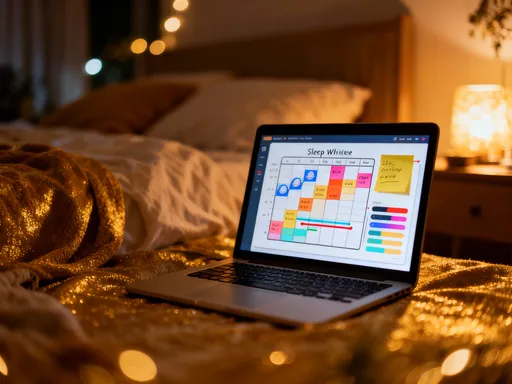
Third, look for apps that integrate with your calendar or wearable. If it can see that you have a meeting right after work, it might suggest a quick lunchtime session. If your sleep data shows you didn’t rest well, it might recommend a recovery-focused day instead of intense training. These small touches make a big difference.
And don’t underestimate the tone. Read the notifications. Do they feel supportive? Or do they sound like a drill sergeant? One app I tested kept saying, “You’re behind! Catch up now!” even after I’d logged two workouts that week. Another said, “Tough day? Let’s breathe together,” and offered a five-minute mindfulness session. Guess which one I kept using?
You don’t need the most expensive app or the one with the fanciest graphics. You need one that feels like it’s on your side. Ask yourself: Does this app make me feel capable? Does it adjust when life changes? Does it celebrate small wins? If the answer is yes, you’ve found a good fit.
Making It Work in Your Daily Life
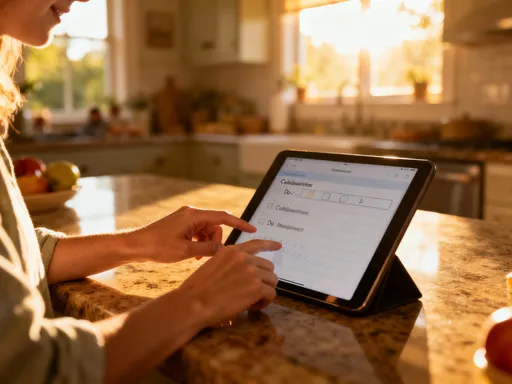
Getting started doesn’t have to be complicated. First, pick an app that offers adaptive features—many now list “smart scheduling” or “context-aware workouts” in their descriptions. Download it, and take a few minutes to set your preferences. Tell it your typical schedule, your fitness level, and any limitations—like “no jumping,” “quiet hours,” or “no equipment.”
Next, enable permissions—yes, I know, it feels a little weird at first. But location services help the app know when you’re traveling. Motion detection helps it suggest movement after long sitting periods. Microphone access (optional) can let it sense noise levels and recommend quieter workouts when needed. You can always adjust these later, but giving the app a little insight helps it serve you better.
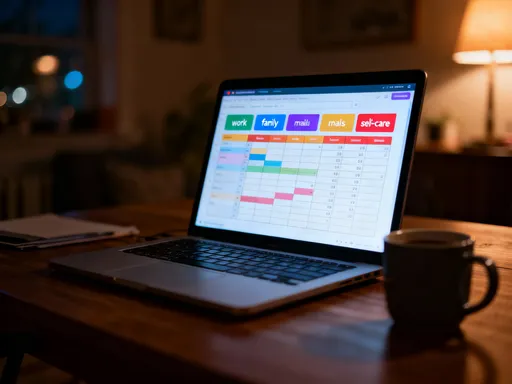
Here’s how it might look in a real week: Monday, you’re at home. The app suggests a 20-minute strength session in your living room. Tuesday, you’re on a work trip. It detects a new city and switches to a hotel-friendly routine—no noise, no equipment, all floor-based. Wednesday, your calendar shows a packed day. The app breaks your workout into two 10-minute blocks—one mid-morning, one after dinner. Thursday, you skip all movement. Instead of a guilt alert, it sends: “No worries. Try a 3-minute stretch when you’re ready.” Friday, you’re back in a routine, and it eases you in with a gentle yoga flow.
The key is consistency in flexibility, not rigidity. You’re not failing when your routine changes. You’re living. And your fitness app should reflect that. It’s not about perfection. It’s about presence. And with the right tool, presence becomes possible—even on the hardest days.
Fitness That Fits, Not Forces
Fitness shouldn’t be a rigid rulebook. It shouldn’t make you feel guilty for missing a workout because life happened. The best technology doesn’t demand more from us—it gives us more room to be human. Adaptive fitness apps represent a quiet revolution: one that replaces judgment with understanding, rigidity with responsiveness, and pressure with care.
They remind us that movement isn’t just about burning calories or building muscle. It’s about feeling strong in our bodies, clear in our minds, and connected to ourselves—even when the world feels chaotic. When your app adjusts because you’re tired, traveling, or overwhelmed, it’s not just being smart. It’s being kind. And kindness? That’s what helps us keep going.
So if you’ve ever felt like you’re failing at fitness, I want you to know: it’s not you. It’s the tool. And now, better tools are here. Ones that move with you. That understand your life. That don’t force you into a mold, but fit into yours. That’s not just progress. That’s peace. And maybe, just maybe, it’s the support you’ve been waiting for all along.