More Than Relief: How Menopause Apps Gave Me Back My Calm and Confidence
Have you ever felt like your body was changing in ways no one warned you about? I did—until I found simple tech tools that actually listened. These aren’t flashy gadgets or complicated systems. Just everyday apps that helped me understand my symptoms, sleep better, and feel like myself again. It wasn’t magic—it was support, finally designed for *this* stage of life. At first, I didn’t think technology could really help with something as personal and unpredictable as menopause. But these apps weren’t trying to fix me. They simply gave me a way to see patterns, make better choices, and finally feel in control. And honestly? That made all the difference.
The Moment Everything Felt Overwhelming
I remember standing in the kitchen, sweat dripping down my back despite the cold floor under my feet. It was early afternoon, and I had just finished making lunch for my kids. One minute I was fine, the next I felt like I’d been thrown into a sauna with no exit. My face was flushed, my shirt was damp, and I couldn’t catch my breath. I sat down at the table, fanning myself with a magazine, trying not to panic. Was I coming down with something? Was this stress? A heart issue? I was only in my early 40s—wasn’t this supposed to happen later?
That moment wasn’t isolated. It happened again the next week, and the week after that. Sometimes it was heat. Other times it was sudden anxiety, unexplained crying, or exhaustion so deep I’d fall asleep on the couch at 7 p.m., fully dressed. I used to pride myself on being the calm one—the one who managed schedules, remembered birthdays, kept the house running. Now I felt like I was failing at everything. I’d snap at my partner over small things. I’d forget appointments. I’d lie awake at night, mind racing, only to wake up feeling like I hadn’t slept at all.
What made it worse was how alone I felt. I mentioned it to my doctor, and she said, “Could be perimenopause.” That was it. No follow-up, no guidance, just a term I’d heard but never really understood. I asked friends, and a few said they’d gone through something similar, but everyone’s experience seemed different. No one could tell me what to expect or how long it would last. I started to wonder if I was just not trying hard enough—if more yoga, better eating, or a stricter routine would fix it. But the truth was, I was doing everything I could, and it still felt like I was losing ground.
Why Traditional Advice Fell Short
Like many women, I turned to the usual sources for help. My doctor suggested staying cool, drinking water, and getting more sleep. A friend recommended herbal supplements. Another said meditation had changed everything for her. All of it sounded reasonable, even kind. But none of it really addressed what I was experiencing on a daily basis. Yes, I could wear lighter clothes, but that didn’t stop the 3 a.m. wake-ups drenched in sweat. Yes, meditation helped briefly, but it didn’t explain why certain days were so much harder than others.
What I really needed was clarity. I wanted to know why Tuesday afternoons always felt like a crash, or why some nights I could sleep soundly while others were endless loops of tossing and turning. The general advice didn’t offer that. It was like being handed a map with no landmarks—well-meaning, but not useful for *my* journey. I didn’t need a one-size-fits-all solution. I needed something that could adapt to *my* body, *my* schedule, *my* life.
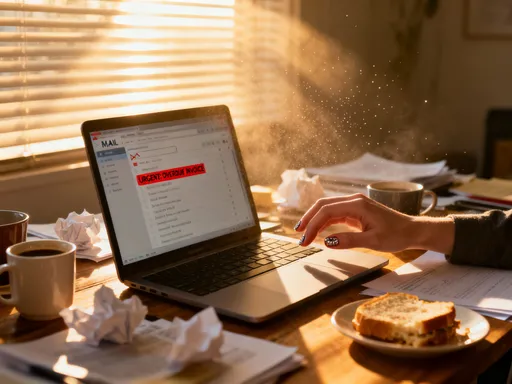
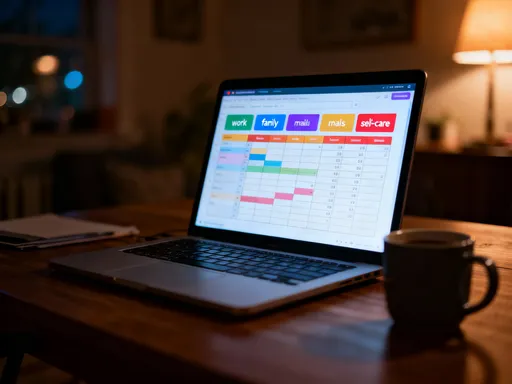
And let’s be honest—going to the doctor every time I had a new symptom wasn’t realistic. Between work, family, and the never-ending to-do list, I didn’t have the time or energy for frequent appointments. I needed a way to gather information between visits, something that could help me speak more clearly with my doctor instead of just saying, “I feel off.” I wanted to walk in with real data, not just a list of vague complaints. But how? Journaling felt overwhelming. Spreadsheets seemed too technical. I needed a middle ground—something simple, consistent, and actually doable.
Discovering the Right Tools (Without the Tech Stress)
I wasn’t looking for a high-tech revolution. I didn’t want to wear a complicated device or learn a new interface. What I wanted was something as easy as texting a friend. That’s when I stumbled on menopause tracking apps—tools designed specifically for women going through what I was experiencing. I was skeptical at first. I’d tried fitness apps before, and they always felt like they were judging me for not doing enough. But these were different.
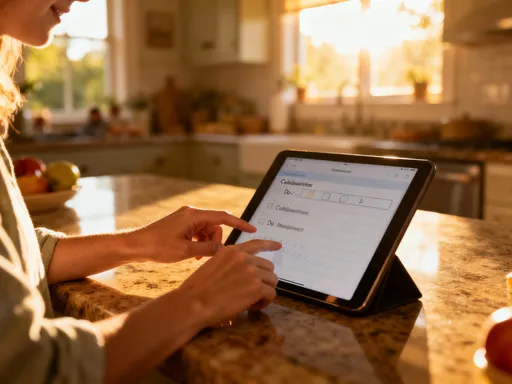
The first one I tried had a clean, calm interface. When I opened it, it didn’t ask for biometrics or blood pressure readings. It just said, “How are you feeling today?” with simple emoji options—tired, hot, anxious, okay, great. I tapped “hot” and “tired,” added a quick note about a restless night, and that was it. No pressure. No points. No failure.
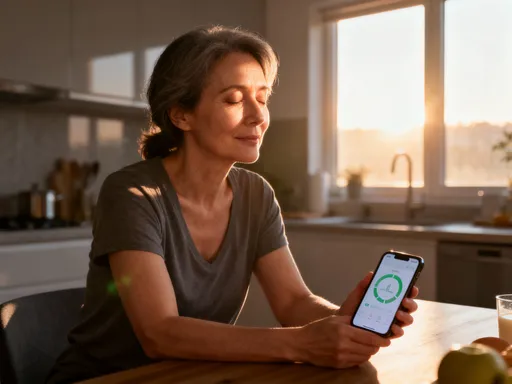
What surprised me was how quickly I started seeing patterns. After a few days, the app showed a weekly summary: “You reported hot flashes on 4 days, mostly in the afternoon. Low energy on 5 days, often after poor sleep.” It wasn’t dramatic, but it was *real*. For the first time, I wasn’t guessing. I had evidence. I began to notice that my worst days followed late nights or meals high in sugar. The app didn’t tell me what to do—it just showed me what was happening. And that small shift—from confusion to awareness—was powerful.
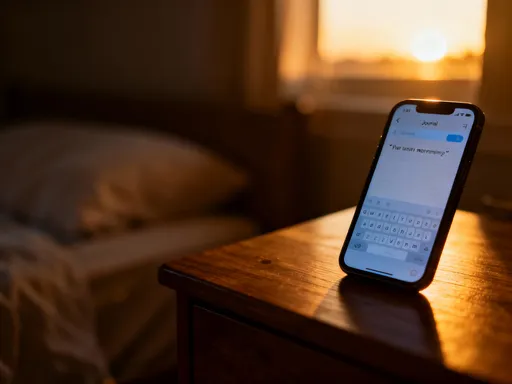
Another thing that helped was how private it felt. I didn’t have to share this with anyone unless I wanted to. It was my space, my record, my way of checking in with myself. I started opening the app first thing in the morning and again before bed. It became a quiet ritual, like sipping tea or writing in a journal. But unlike a notebook I might forget to open, this was always with me—on my phone, always accessible, always ready to listen.
How Tracking Brought Back Control
Seeing my symptoms laid out in charts and timelines changed how I moved through my days. Before, I was reactive—waiting for a hot flash, bracing for a mood swing, hoping I wouldn’t crash before bedtime. Now, I could be proactive. When the app showed a pattern of high symptom days on Wednesdays, I started planning lighter workloads. If stress levels were climbing, I scheduled a walk or a quiet evening at home. I wasn’t fighting my body anymore. I was working *with* it.
One of the most helpful features was the prediction tool. Based on my logged data, the app would gently suggest, “You may feel more fatigued today” or “Hot flashes are likely in the late afternoon.” That didn’t mean I canceled plans—it meant I prepared. I’d bring a light cardigan, keep a water bottle handy, or shift a big meeting to the morning. Small things, yes, but they made a big difference. I felt like I had a heads-up, like someone was quietly looking out for me.
Tracking also helped me communicate better with my doctor. Instead of saying, “I feel tired a lot,” I could show her a chart of my sleep quality over three weeks, along with notes about hot flashes and mood changes. She listened differently. We talked about hormone levels, lifestyle adjustments, and whether further testing made sense. Because I had data, the conversation was more focused, more productive. I wasn’t just a patient with vague complaints—I was someone who understood her body and wanted real solutions.
And perhaps most importantly, I started to forgive myself. I realized I wasn’t lazy when I needed a nap. I wasn’t “overreacting” when I felt emotional. These were real symptoms, backed by real patterns. The app didn’t cure menopause, but it removed the shame. I wasn’t failing—I was navigating a transition, and now I had a compass.
Better Sleep, Better Mood, Better Days
If I had to pick one area where the app made the biggest impact, it would be sleep. For months, I’d been stuck in a cycle: poor sleep led to low energy, which led to stress, which made it harder to sleep the next night. I tried everything—melatonin, herbal teas, blackout curtains, no screens before bed. Some helped a little, but nothing broke the cycle.
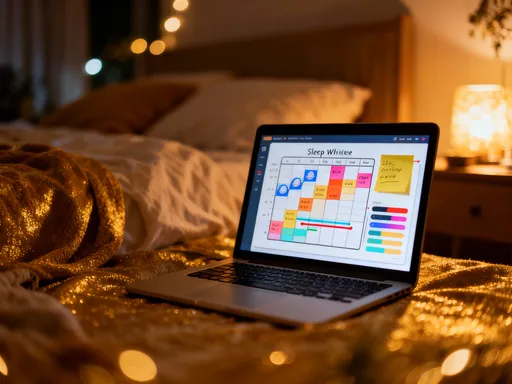
Then I started using the app’s sleep tracker. It didn’t require a wearable—just a quick log when I went to bed and when I woke up, plus how I felt. Over time, it showed me that my best sleep happened when I went to bed before 10:30, avoided caffeine after noon, and did a short breathing exercise before turning off the lights. The app even sent gentle reminders: “Time to wind down,” or “You’ve had two cups of coffee today—consider switching to herbal tea.”
Slowly, my sleep improved. Not perfectly, but enough. I started waking up feeling rested instead of defeated. And that changed everything else. My mood stabilized. I had more patience with my kids. I could focus at work. My partner said I seemed “lighter,” like I wasn’t carrying the same weight. I realized how much my exhaustion had been affecting everyone around me—not because I was doing less, but because I was running on empty.
The app also helped me identify what *didn’t* work. I’d been drinking a popular sleep tea every night, convinced it was helping. But the data showed no improvement in sleep quality on nights I drank it. Meanwhile, 20 minutes of stretching or a short walk after dinner had a measurable positive effect. I stopped wasting money on products that didn’t help and focused on what actually did. It felt like finally getting honest answers after months of guessing.
Making Choices Without Overwhelm
Let’s talk about the noise. If you’ve looked into menopause support, you’ve probably seen it too—the endless supplements, creams, diets, programs, all promising relief. Black cohosh, maca root, bioidentical hormones, CBD, magnesium, probiotics. It’s overwhelming. How do you know what’s safe? What actually works? What’s right for *you*?
Before the app, I felt paralyzed by choice. I’d read a blog post praising a new supplement, order it, try it for a week, and wonder if I felt any different. Spoiler: I never knew. Without a baseline, I couldn’t tell if something was helping or if I was just hoping it would.
But with the app, I could test things with real feedback. I’d log when I started a new supplement, then track my symptoms over the next few weeks. Did my hot flashes decrease? Did my sleep improve? The data didn’t lie. One product I tried showed no change. Another seemed to help with nighttime anxiety. I didn’t need to believe a marketing claim—I could see the results for myself.
The same went for lifestyle changes. I’d heard walking was good for menopause, but I didn’t know when or how much. So I started logging my walks—duration, time of day, how I felt afterward. The app helped me spot that 15-minute walks after dinner reduced my evening anxiety by nearly half. That small insight made it easier to stick with—because I could see the benefit.
This wasn’t about finding a miracle cure. It was about making informed choices. The app didn’t tell me what to do, but it gave me the clarity to decide with confidence. I stopped feeling like I had to try everything. Instead, I could focus on what truly worked for *my* body.
A New Kind of Self-Care—Simple, Personal, Effective
This journey wasn’t about fixing myself. It was about understanding and accepting this phase—with support that actually fits my life. These tools didn’t erase menopause. But they gave me calm, clarity, and a sense of agency I thought I’d lost. I’m not perfect. Some days are still hard. But now I have a way to navigate them—with data, with self-compassion, with a little help from technology.
What I love most is how simple it all is. I don’t need to be a tech expert. I don’t need to spend hours logging data. Just a few taps a day, and I get insights that make a real difference. It’s like having a quiet, wise friend who knows my patterns and gently reminds me to take care of myself.
Today, I feel more like *me* than I have in years. I’m not waiting for symptoms to pass. I’m living well *through* them. I have more energy, better sleep, and a deeper connection to my body. I’ve shared this with a few close friends, and several have started using similar apps. We compare notes, not to compete, but to support each other. It’s become part of our self-care—not because it’s trendy, but because it works.
If you’re in the middle of this transition, feeling unsure or overwhelmed, I want you to know: you’re not broken. You don’t need to tough it out. There are tools now—simple, thoughtful, personal tools—that can help you feel seen, supported, and in control. It’s not about fighting your body. It’s about listening to it. And sometimes, the best way to do that is with a little help from an app that’s designed to understand exactly where you are.